
Pruning can prevent premature tree removal and extend tree life span. When done correctly, pruning stands as one of the most sustainable tree inputs.
Pruning
Dive Deeper
Evaluate if a tree needs pruning
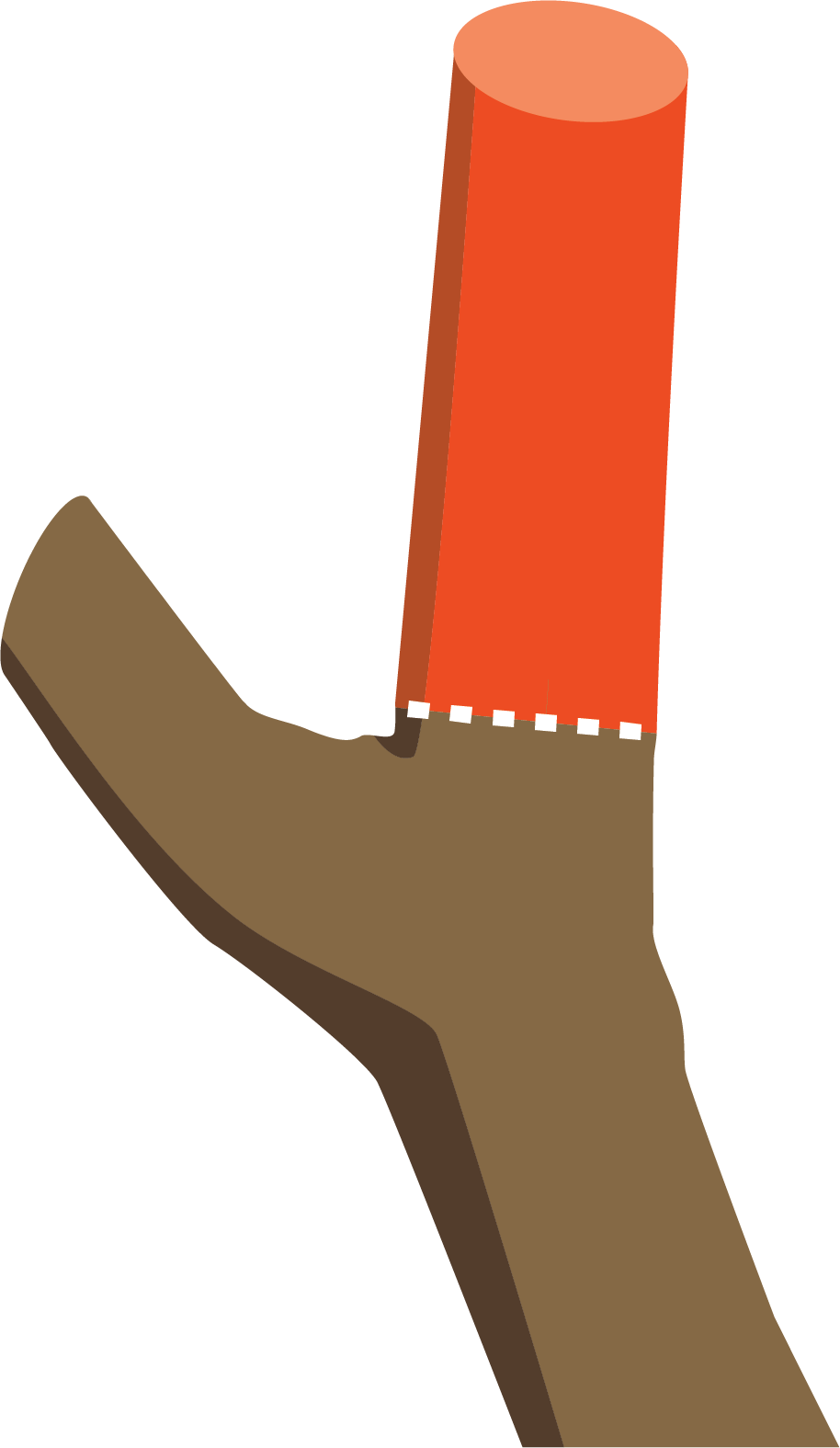
Discover types of pruning cuts
Objectives of Pruning
Improve Structure
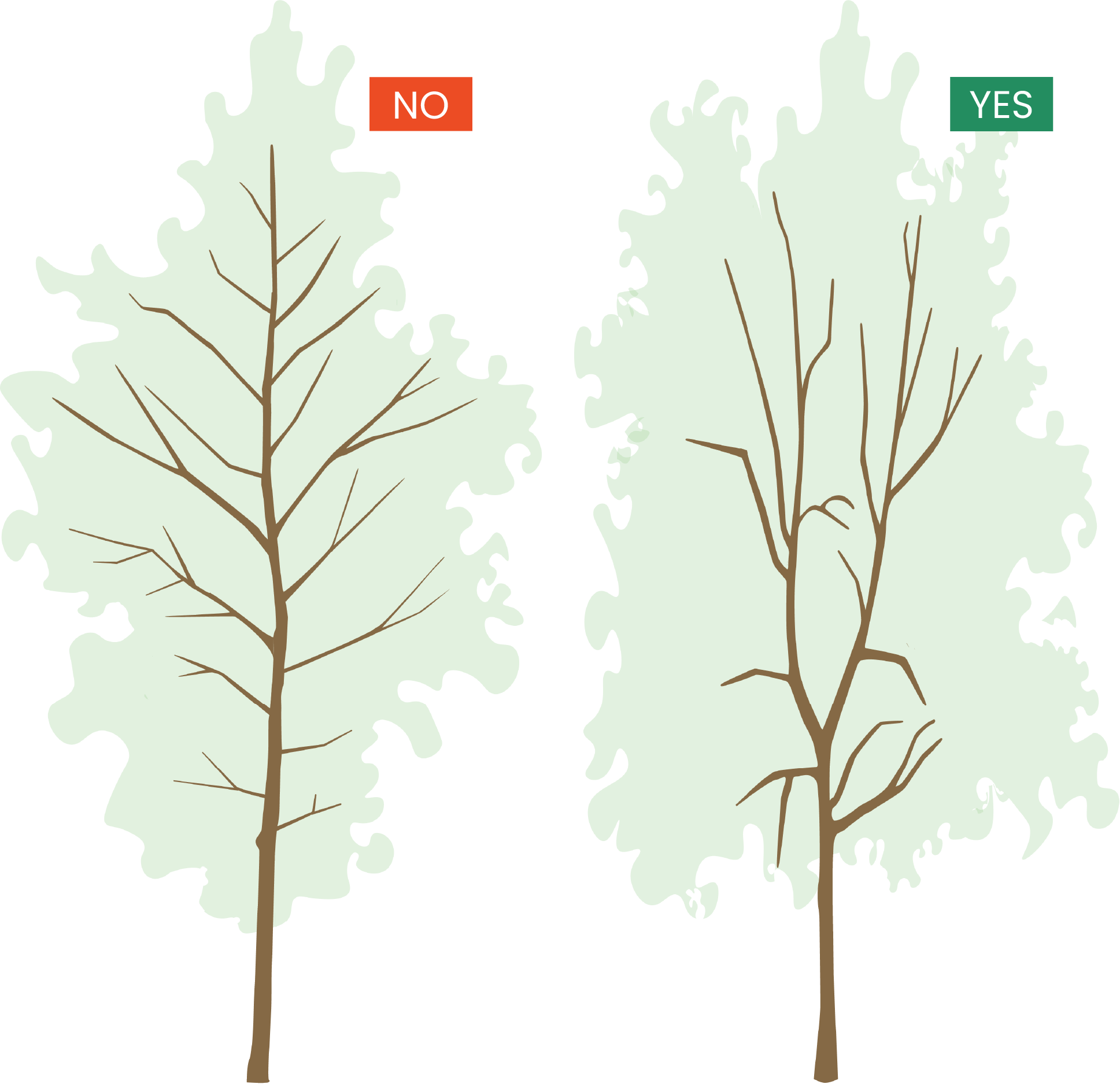
Improvements in structure (AKA architecture) make trees more resistant to damage in storms. Nearly every tree can benefit. Structural pruning improves branch structure by suppressing branches competing with the dominant leader using reduction and removal cuts. Pruned branches grow slower, forcing more growth into one dominant leader. Young trees respond quickly to structural pruning. The reduction in branch diameter relative to trunk diameter brought about by structural pruning is slower to manifest on medium-aged and mature trees than on younger trees because the core trunk and branch structure has already been established.
Structural pruning is also the best way to thin the crown, allowing more sunlight to reach the ground and plants nearby.
Thin crown density
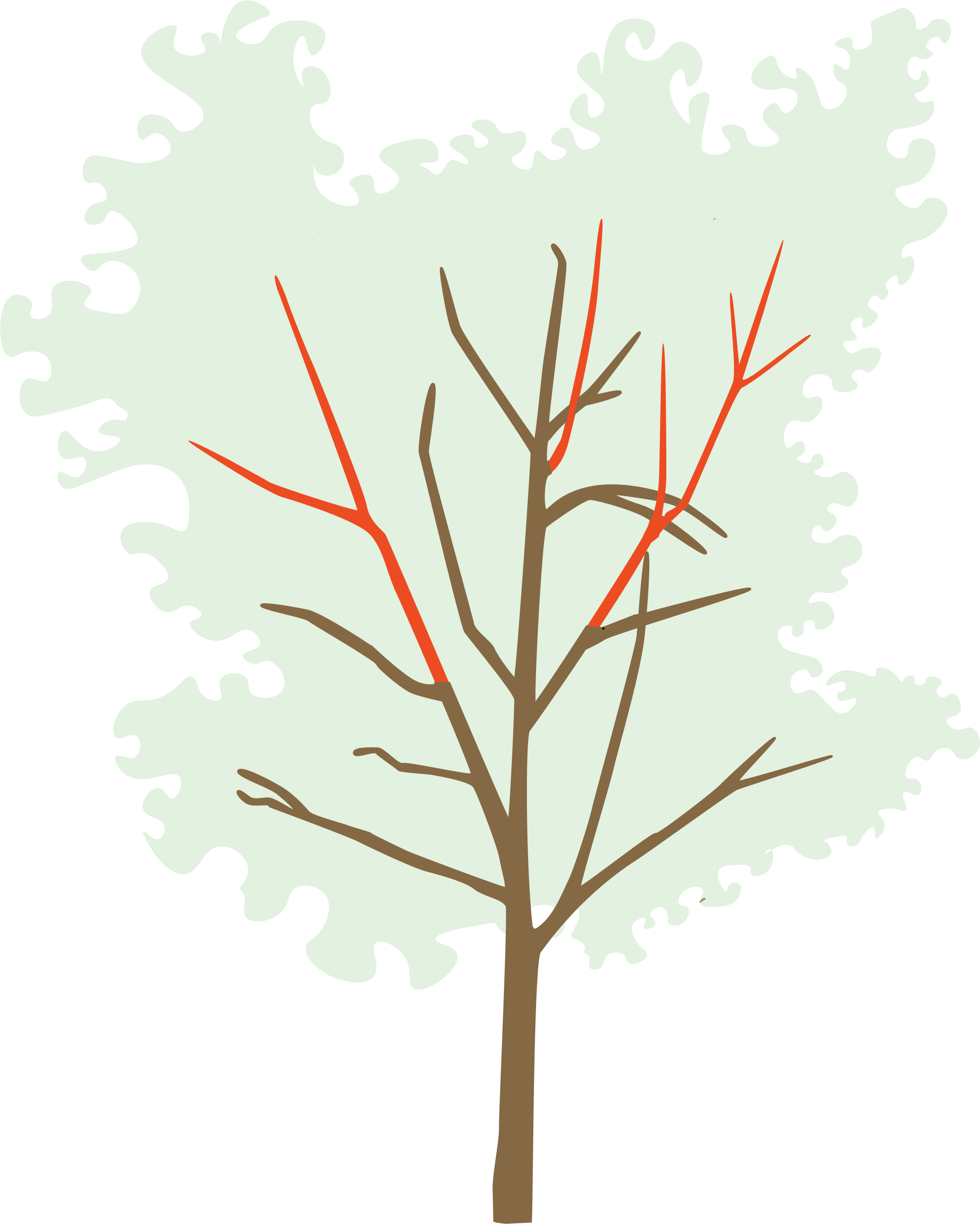
Structural pruning (see above) is the best way to thin the crown. Like structural pruning, thinning the crown is accomplished using reduction and removal cuts at the ends of the largest and longest branches.
Reduce crown dimensions
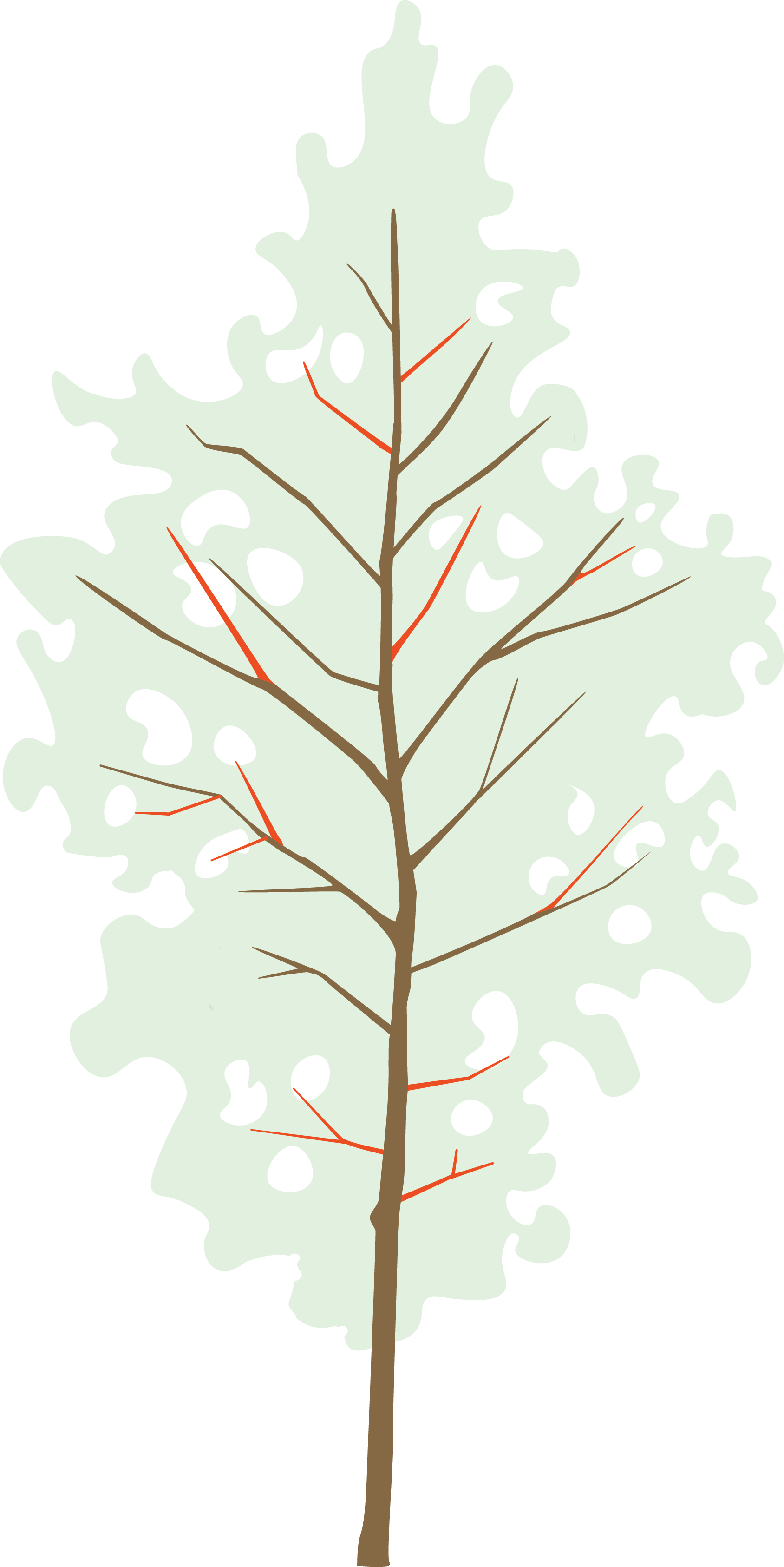
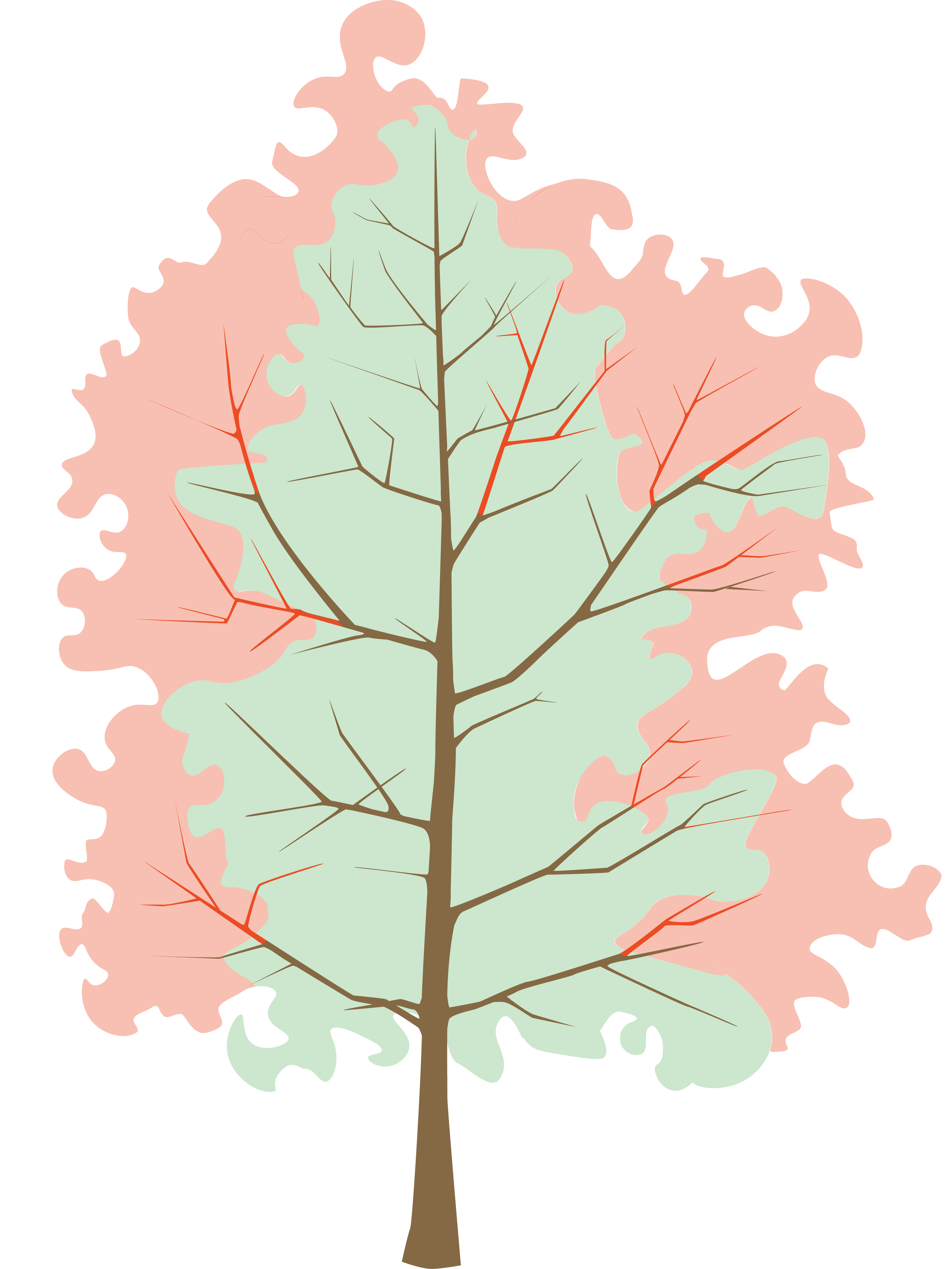
Reducing the entire crown height and/or width can be useful where trees are growing into or over structures such as a home or utilities. It is also used to reduce likelihood of breaking in storms or simply under their own weight.
Increase clearance
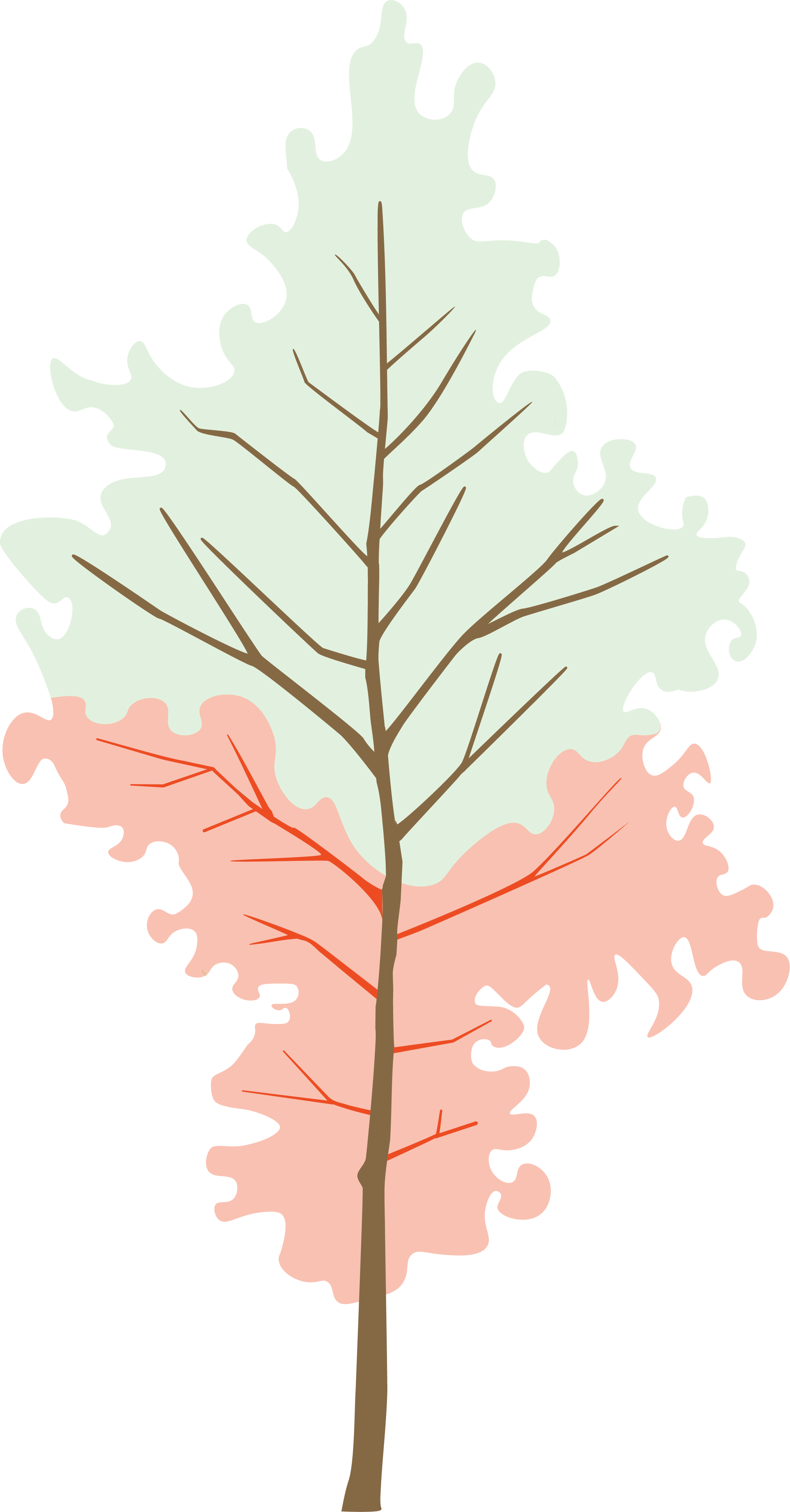
Lower branches often must be removed to clear them from traffic, to prune them away from a building or walk, make signs visible that were installed too far off the ground, or open a desirable view. Keep branches in the lower ten feet of the tree (depending on the location of the tree) shortened so they are small once removed
Test your knowledge
See if you can determine how to best prune these trees!
Check out these webpages for even more information
Growing plants in a nursery
Choosing a tree species
Caring for a young tree
Planting a tree
Buying a high quality tree