
Tree Structure
Does your tree need correction? Look for the characteristics below to determine whether your tree needs pruning to improve its structural integrity and long-term success.
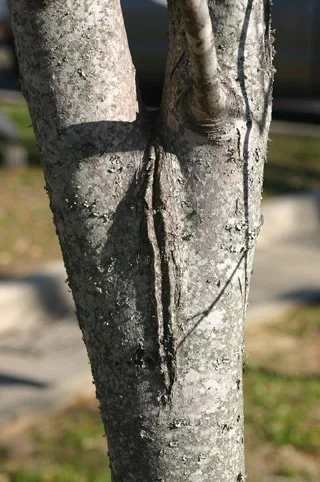
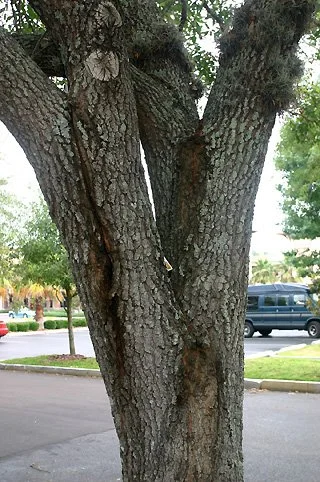
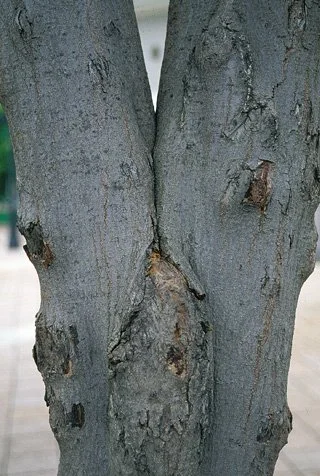
Branches attach at narrow angles
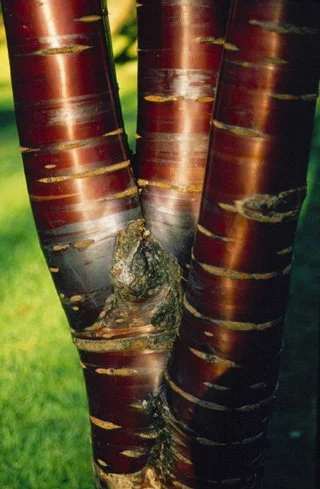
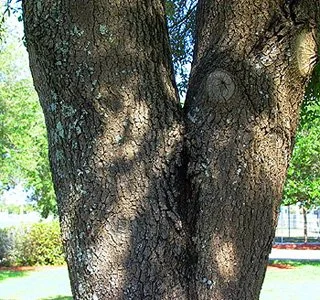
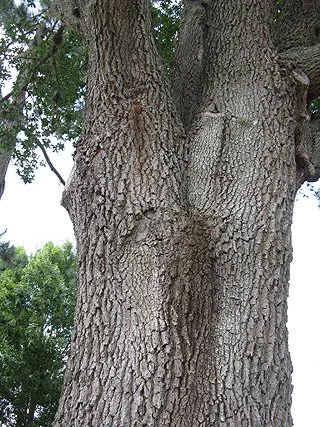
Branches that attach to the trunk at a narrow angle are weaker than those that stick outwards. They may include bark inclusions, manifesting in bulging or fissures that overlaying internal cracking or separation.
Branches are disproportionately large
Branches should have a small aspect ratio to the trunk, meaning that the branch has a small diameter compared to the trunk. Branches with a small aspect ratio are more securely attached to the trunk.
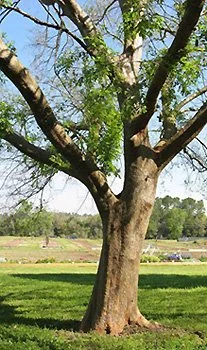
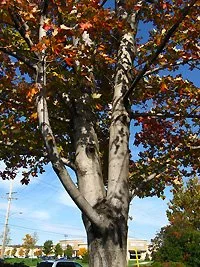
Tree has multiple vertical leaders
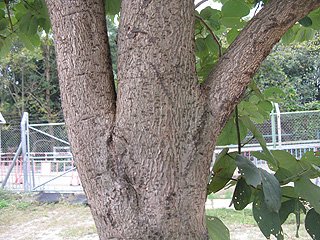
Branches that attach to the trunk at a narrow angle are weaker than those that stick outwards. They may include bark inclusions, manifesting in bulging or fissures that overlaying internal cracking or separation.
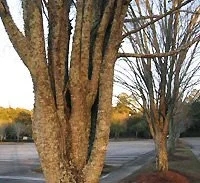
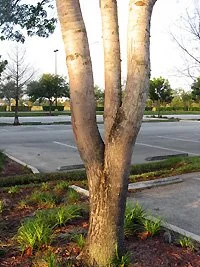
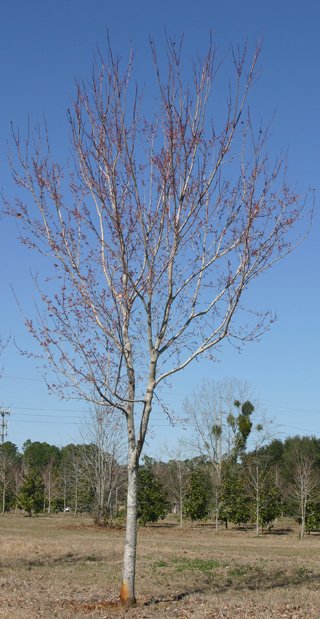
Tree branches attach too close together
Trees with multiple similarly sized upright branches that come out of the same level on the trunk are prone to breakage.
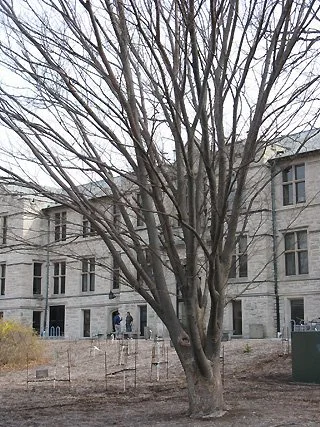
Upright oriented lower limbs, no central leader
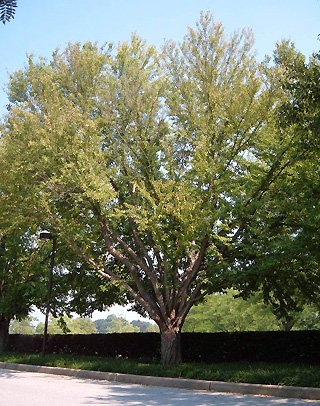
No central leader, several large trunks are attached at the same height
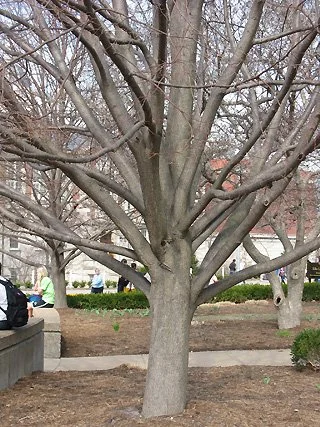
Several large trunks attached at the same height around the trunk
So what is good form?
Trees with good form have one dominant central leader with smaller lateral branches. See the images below for examples of trees with strong structure and branches with strong attachments.
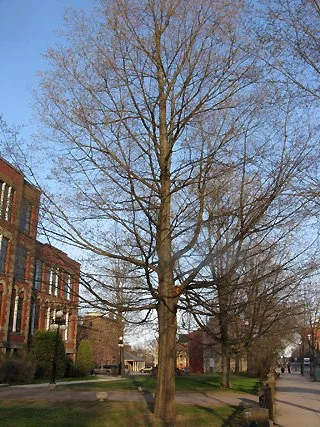
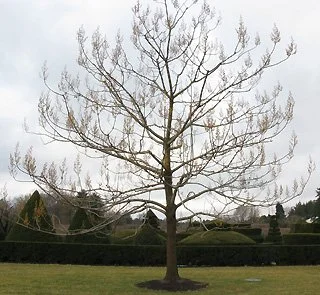
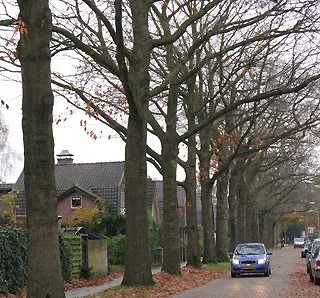
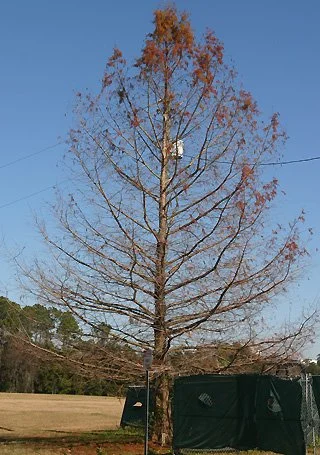
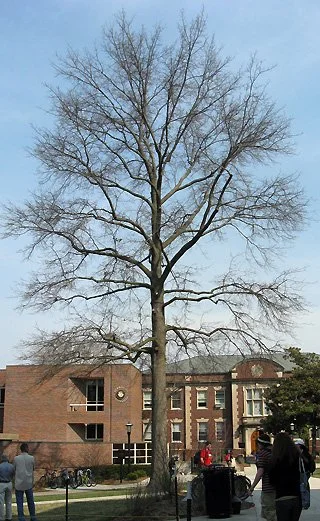
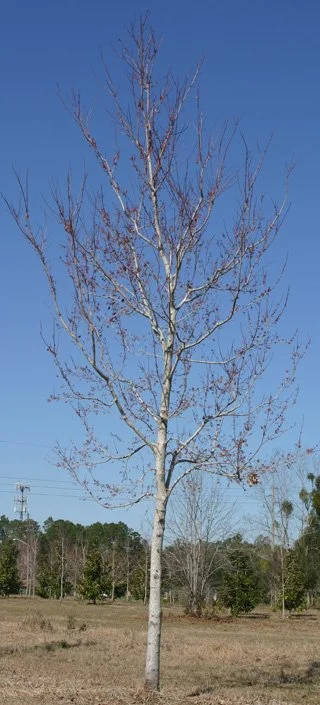
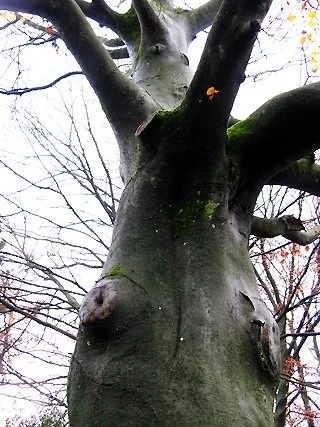
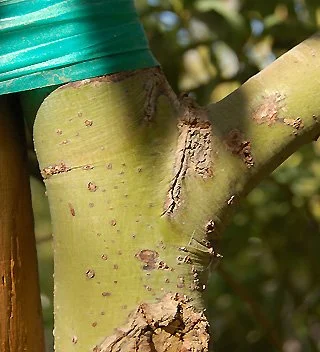
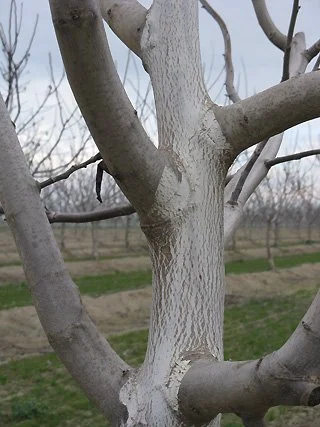
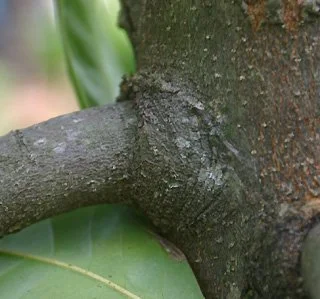
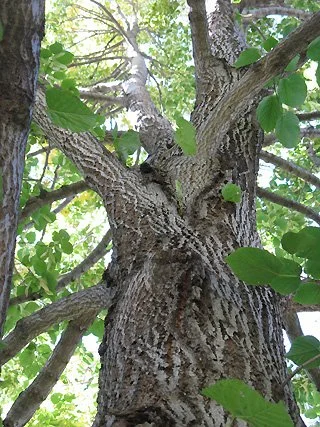
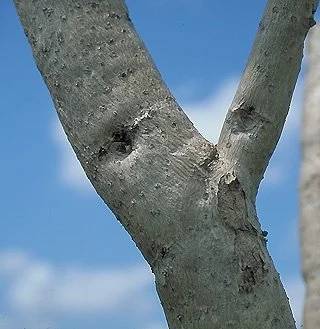
Young trees, even those which start with acceptable structure, will likely need pruning. Most branches on young trees, such as the one shown on the right, should not remain on the tree for more than a few years. If they do, two things can happen.
1) Branches grow upright into the crown, become a sizable part of the crown but are long and therefore potentially weak. Managers are reluctant to removed them because a large wound will be created and a large part of the crown will be removed.
2) Branches grow laterally, they become large and obstruct passage or block views, and they have to be removed, resulting in a large pruning wound on the trunk
Consider young trees
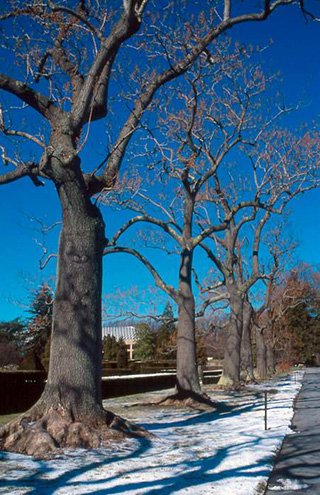
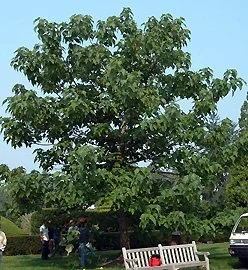
replanted trees of the same species
original mature trees
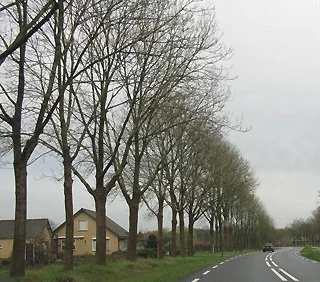
The tops of these eight-year-old replacement trees (right) are reaching the point where they are about even with the bottom of the crown of the original mature-sized trees. Thus, all existing branches on these trees are temporary and will be removed as the tree grows. Preventing these from growing upright or too large by routinely shortening them with reduction cuts will ensure that pruning wounds are small when they are eventually removed from the trunk.